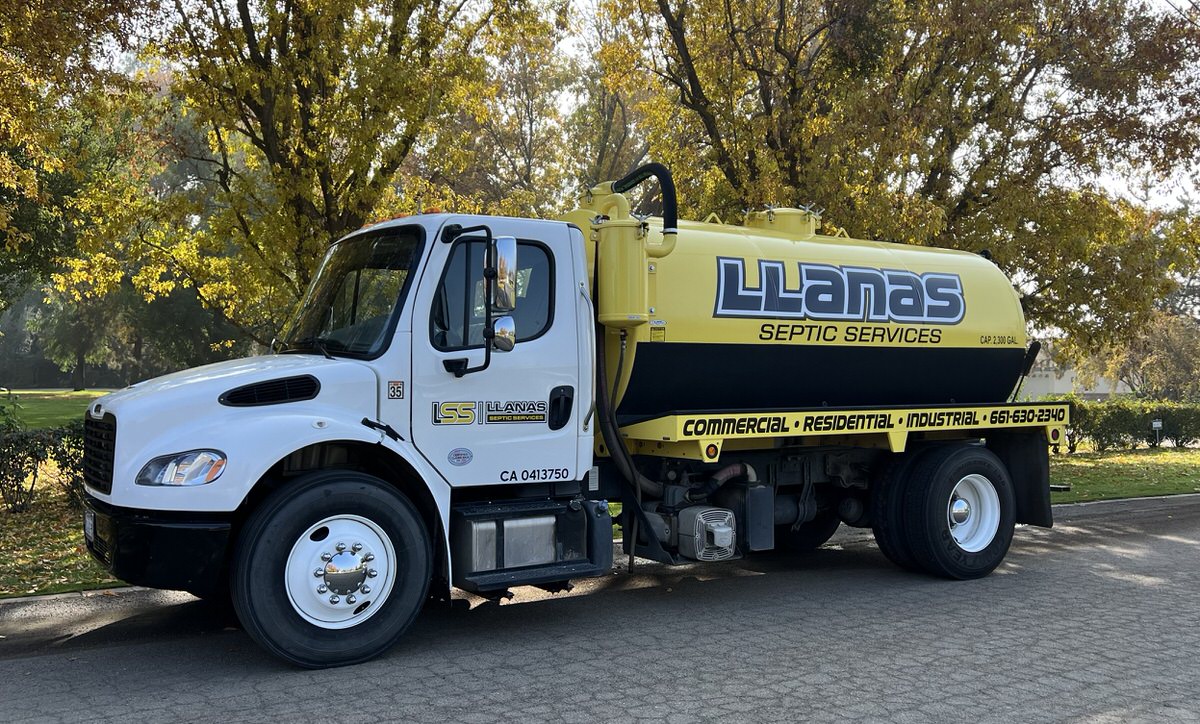
We frequently receive urgent calls regarding septic tank repairs. We understand the urgency that a backed-up septic system can impose on a business or household. Numerous factors can disrupt a septic system, so having a certified professional team perform a thorough diagnostics will save you time and money in the long term. If you’re experiencing septic tank issues, our team is prepared to guide you through the necessary steps to resolve your problem.
Let’s take a closer look at your septic system. It’s got four key parts: the pipe from your home, the septic tank, the drain field, and the surrounding soil.
First off, the pipe, or sewer line, carries wastewater from your home to the septic tank. It’s super important to keep it clear of any blockages so everything runs smoothly.
Now, the septic tank is basically a waterproof container—usually made of concrete, fiberglass, or polyethylene. It holds the wastewater long enough for the solids to settle as sludge and for oils and grease to float up as scum.
Then there’s the drain field, which is like a subsurface area that handles wastewater. It lets the water trickle out through pipes into gravel and then into the soil. The soil works as a natural filter, breaking down bad stuff like bacteria, viruses, and nutrients before it hits the groundwater.
Some problems can be solved relatively easily. For example, standing water or a sewage odor between the septic tank and the drainfield may be nothing more than a broken pipe, are is relatively cost effective to replace. If you have an advanced treatment system, the maintenance company might need to adjust or replace a part.
If you’ve had your septic tank pumped in the last year or two, you probably don’t need it done again. But if you’re still having issues, there might be a clog somewhere between your house and the tank. If all your drains are running slow, it’s likely there’s a clog in one of the pipes leading away from your home. Sometimes, these pipes get clogged by things that weren’t meant to be flushed. The pipes can be between 4 to 8 inches wide, so some parts might be narrower and more likely to catch debris.
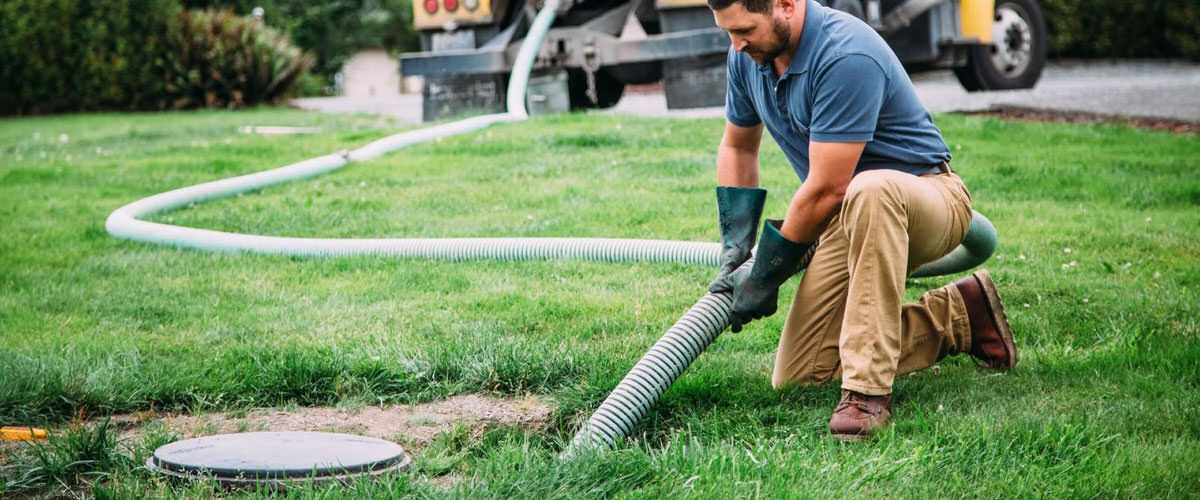
Choose Kern County's Most Experienced Septic Tank Service Company.