A failed septic system can be tough to manage, especially with the high cost of repairs or replacements. Here are a few steps to consider to manage the situation affordably:
1. Consider Financing Options
- Grants and Loans: Some states and counties offer grants, low-interest loans, or cost-sharing programs to help homeowners repair or replace septic systems. Start by contacting your local health department or environmental agency to see if you qualify.
- USDA Loans: In rural areas, the U.S. Department of Agriculture (USDA) provides rural development loans and grants for home repairs, which may cover septic systems for eligible low-income homeowners.
- EPA Programs: Some states receive funding from the EPA’s Clean Water State Revolving Fund, which can be used for wastewater treatment solutions, including septic repair for individual homes.
2. Explore Alternative Solutions
- Composting Toilets: If the issue is primarily related to the toilet, composting toilets are an alternative. They eliminate the need for a septic connection and can be relatively affordable.
- Greywater System: If you can separate your greywater (from sinks, showers, etc.) from your blackwater (from toilets), you may reduce the load on your septic system. This could also help prolong its use while you arrange a more permanent solution.
3. Seek Out Local Assistance Programs
- Nonprofit Assistance: Some nonprofits offer assistance for septic repairs. Examples include the Southeast Rural Community Assistance Project (SERCAP) and local Habitat for Humanity branches, which occasionally have funding for home repairs.
- Community Development Block Grants (CDBG): Many counties administer CDBG funds to help with housing repairs for low-income families, including septic system repairs.
4. Reduce Strain on Your System Temporarily
- Conserve Water: Limit water usage to reduce the strain on the septic tank. Take shorter showers, space out laundry, and fix any leaky faucets to minimize load.
- Reduce Waste: Avoid flushing non-biodegradable items, use septic-safe cleaning products, and reduce food waste going down the drain.
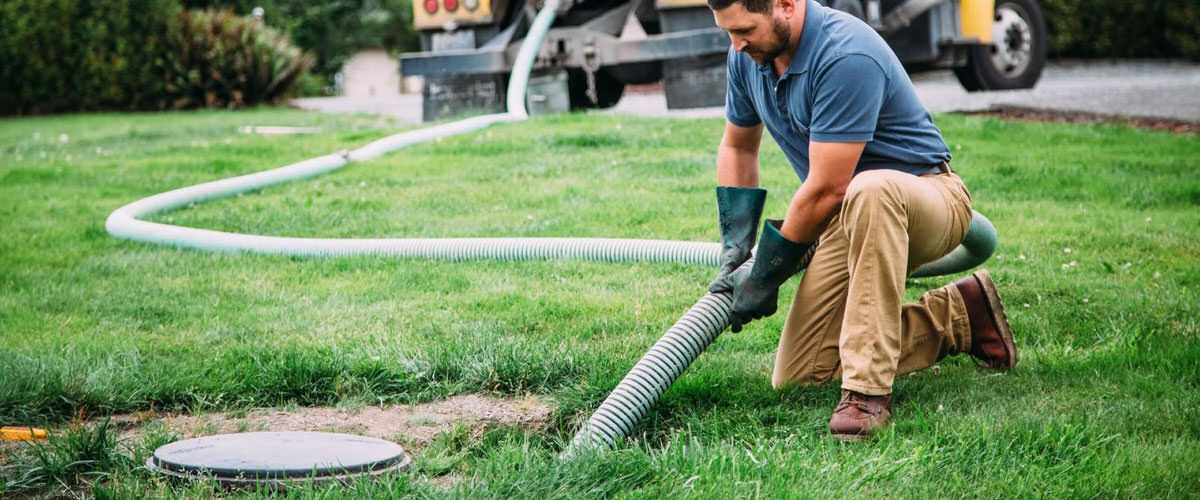
- Pumping: If you can afford it, have the tank pumped to help buy some time before the system is repaired. However, if the drain field is failing, this won’t solve the underlying problem.
5. Investigate Affordable Repair Alternatives
- Partial Repairs: Sometimes a full replacement isn’t necessary. You may be able to repair or replace certain components of the system (like the distribution box or pipes) rather than the entire system. Consult with a licensed contractor to see if a smaller-scale repair is feasible.
- Check if a Drain Field Rejuvenation is Possible: Some companies offer services to revitalize the drain field using pressurized air or other methods. This can sometimes extend the life of a failing drain field.
6. Negotiate with Contractors
- Payment Plans: Some contractors may be willing to work out payment plans if a full replacement is the only option.
- Multiple Estimates: Get quotes from multiple contractors. Prices can vary widely, and some may be more willing to work within your budget or suggest more affordable repair methods.
7. Look into Health Department Requirements
- Some health departments allow alternative solutions temporarily if you’re making an effort to repair the system and need time to save funds.